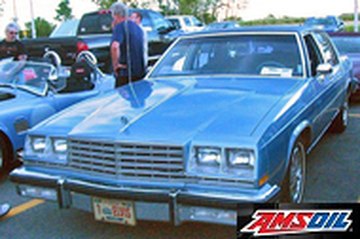
Lubrication Maintenance for the 1981 Buick LESABRE 5.0L
Maintaining a vehicle from the early 1980s requires a shift in perspective compared to modern automotive care. For an owner of a 1981 Buick LESABRE equipped with a 5.0L engine, routine service is not just about following a schedule; it is about monitoring the physical condition of aging components and ensuring that the lubrication system remains effective despite the passage of time.
Monitoring Fluid Integrity and Engine Health
One of the most effective ways to monitor the health of the 5.0L engine is through regular observation of its fluids. While many owners focus solely on the volume of oil, the condition and appearance of the lubricant can provide significant clues regarding internal engine processes. If the oil appears excessively dark or contains visible particulates, it may indicate that the fluid is reaching the end of its effective service life or that contaminants are present.
It is also useful to watch for signs of unusual consumption. While all engines may consume a small amount of lubricant over long periods, any sudden increase in the frequency of checking levels warrants closer investigation. Furthermore, if you notice changes in how the engine sounds during operation—such as new or persistent mechanical noises—this can be associated with various lubrication or mechanical factors and should be investigated by a professional.
When performing inspections, look for any evidence of seepage around sealing surfaces. Even small amounts of fluid appearing on the exterior of the engine block or near gaskets can indicate that seals are beginning to age. Addressing minor seepage early can prevent more significant issues later in the vehicle's ownership.
Prioritizing Service Based on Current Condition
For a vehicle of this age, maintenance priorities should be driven by the actual condition of the machine rather than strictly by chronological age or mileage alone. If you have recently acquired this Buick, establishing a maintenance baseline is an excellent first step. This involves reviewing any available service records to understand what has been performed in the past and identifying any gaps in the vehicle's history.
If documentation is unavailable, your priority should be to verify the current state of all essential systems. This includes:
- Checking the condition of all visible hoses and connections for signs of cracking or softening.
- Inspecting accessible belts, if equipped, for glazing, fraying, or tension issues.
- Verifying the cleanliness of the air filtration system to ensure the engine is breathing efficiently.
- Examining electrical connectors and wiring for any signs of corrosion or heat-related wear.
By focusing on these tangible indicators, you can distinguish between necessary preventive maintenance and parts that may still have significant service life remaining. This approach ensures that resources are directed toward the areas that most impact the vehicle's continued operation.
Managing Aging Components and Seals
As vehicles age, the materials used in gaskets, seals, and various rubber components can undergo changes in their physical properties. In a 1981 Buick LESABRE, it is practical to keep an eye on these age-sensitive areas during every routine service. While many components are designed to last for decades, environmental factors and heat cycles can lead to gradual deterioration.
When inspecting the engine compartment, look specifically for signs of "weeping" or slow leaks around various junctions. Some high-mileage oil formulations contain additives intended for use in aging engines, including seal-conditioning additives that may help maintain the flexibility of certain components. However, these are not a substitute for addressing active leaks or replacing components that have reached the end of their functional life.
Additionally, if the vehicle has been sitting for extended periods, it is wise to inspect all fluid levels and the condition of various rubber elements before attempting long-distance travel. Ensuring that the lubrication system is fully primed and that no significant leaks have developed during storage is a critical part of long-term ownership.
The Role of Clean Lubrication in Engine Longevity
The engine oil in the 5.0L power plant performs several vital roles that extend far beyond simple lubrication. It acts as a medium for heat management, helping to carry thermal energy away from high-friction areas. Furthermore, the oil contains detergents and dispersants designed to manage internal contaminants, preventing the buildup of deposits that can interfere with mechanical movement.
Maintaining the cleanliness of this fluid is essential for protecting the engine's internal surfaces. Over time, even high-quality lubricants can become saturated with combustion byproducts or other microscopic debris. When the oil loses its ability to suspend these contaminants, they can contribute to the formation of sludge or deposits. Regular service ensures that the lubricant retains its ability to reduce friction and protect the engine from the wear associated with thermal stress and internal contamination.
Effective Record Keeping for Long-Term Ownership
For owners who intend to keep a classic or older vehicle like the LESABRE for many years, maintaining a detailed service log is invaluable. A well-kept record should include not only the dates and mileage of oil changes but also specific observations made during inspections. For example, noting that a particular hose showed slight cracking or that a small amount of seepage was observed allows you to track the progression of wear over time.
This historical data helps in making informed decisions about when to transition from preventive maintenance to more significant repairs. It also provides a clear picture of the vehicle's maintenance consistency, which is highly beneficial if the vehicle is ever evaluated for resale or by a specialized mechanic. Knowing exactly what has been replaced and what has been monitored allows for a much more strategic approach to engine care.
Practical Tips for BUYING ENGINE OIL for your 1981 Buick LESABRE 5.0L
When it is time to replenish the lubrication in your engine, accuracy in selection is paramount. To ensure you are providing the correct protection for your specific application, always match the engine oil to the vehicle-specific viscosity information already displayed on this webpage.
Avoid making assumptions based solely on the age of the vehicle or general automotive trends. While modern synthetic oils offer various benefits regarding thermal stability and oxidation resistance, you must ensure that any product you choose is compatible with the requirements listed in your application data. When shopping, follow these steps:
- Verify that the SAE viscosity grade matches the information provided on this page exactly.
- Check the product label to confirm it meets the appropriate API certification for your needs.
- Consider whether a conventional, synthetic blend, or full synthetic formulation is most appropriate based on the specific application details shown above.
- If you are managing an engine with higher mileage, you may choose to look at high-mileage formulations that include seal-conditioning additives, provided they align with the required viscosity.
By strictly adhering to the application-specific data provided here, you ensure that your 1981 Buick LESABRE receives the exact lubrication it needs for optimal performance and protection.